
You're building something from nothing. Every day brings a hundred decisions-which feature to build, which customer to chase, which fire to put out. You're the CEO, developer, marketer, support team, and janitor. And somewhere in that chaos, you need to stay organized.
Most project management software assumes you have a team. Features revolve around collaboration, delegation, and coordination. But when you ARE the team, those features become overhead. You don't need to assign tasks-they're all yours. You don't need team communication-you're talking to yourself.
This guide is for solo founders who need organization without complexity. Learn how to manage your startup effectively when the entire company is you.
The Solo Founder's Unique Challenges
Running a startup alone creates specific organizational challenges:
Context Switching Overload
One hour you're coding. The next you're on a sales call. Then you're designing a landing page. By afternoon, you're handling customer support. Each context switch costs mental energy and time.
Without systems to capture where you left off, you lose progress with every switch. You forget what you were working on, repeat decisions you've already made, and waste time getting back up to speed.
Everything Is Priority One
When you're the only person, everything feels urgent. The bug needs fixing, the customer needs responding to, the feature needs shipping, the investor update needs sending. With limited time and unlimited demands, how do you choose?
Without a prioritization system, you'll either freeze from overwhelm or work on whatever screams loudest-which is rarely what matters most.
No External Accountability
In a team, others notice when things slip. Deadlines create social pressure. Commitments to colleagues drive follow-through.
Alone, you're accountable only to yourself. It's easy to let things slide, reschedule indefinitely, and convince yourself you'll get to it tomorrow. Self-accountability requires systems.
Long-Term Vision vs. Daily Chaos
You have a grand vision for what you're building. But daily operations consume all available time. Strategic planning gets pushed aside for tactical firefighting. Months pass, and you realize you've been busy but haven't moved toward your goals.
Without systems connecting daily tasks to long-term objectives, you risk building a treadmill instead of a company.
What Solo Founders Actually Need
Before diving into tools and methods, let's clarify requirements:
Single Place for Everything
You don't have time to check multiple systems. Everything-tasks, notes, ideas, deadlines-needs to live in one place. If information is scattered, you'll either forget things or spend more time managing systems than building your company.
Minimal Maintenance Overhead
Your system should require minutes per week to maintain, not hours. If staying organized takes significant effort, you'll abandon it during crunch times-exactly when you need it most.
Capture Without Categorization
When ideas or tasks hit you, you need to capture them instantly without deciding where they go. Friction in capture means lost thoughts. Sort and categorize later.
Views That Match Your Context
Sometimes you need to see everything. Sometimes you need today's priorities. Sometimes you need the big picture. Good systems offer multiple views of the same information.
Progress Visibility
When there's no team to celebrate with, seeing your own progress matters. Your system should show you what you've accomplished, not just what remains.
Building Your Solo Founder System
The Capture System
Start with zero-friction capture. Every task, idea, thought, and commitment needs a home.
Inbox Approach: Create a single "inbox" where everything lands first. Don't categorize on capture-just record. During daily or weekly reviews, process the inbox and move items to appropriate projects.
This removes the friction of "where does this go?" during capture. Everything goes to inbox. Sort later.
What to Capture:
- Tasks (things to do)
- Ideas (things to consider)
- Questions (things to research)
- Commitments (things promised)
- Notes (things to remember)
- Bugs (things to fix)
The Project Structure
Group work into meaningful projects. As a solo founder, projects might include:
Core Projects:
- Product Development (features, bugs, tech debt)
- Marketing (content, outreach, campaigns)
- Sales (prospects, follow-ups, deals)
- Operations (legal, finance, admin)
- Strategy (planning, goals, metrics)
Temporary Projects:
- Product Launch (ends when launched)
- Fundraising Round (ends when closed)
- Conference Prep (ends after event)
- Specific Feature (ends when shipped)
Keep project structure simple. More projects means more overhead. Consolidate where possible.
The Daily System
Each day needs structure. Without it, time vanishes into reactive work.
Morning Ritual (10 minutes):
- Review calendar for time commitments
- Check inbox for anything urgent
- Pick 1-3 priorities for the day
- Block time for deep work
Evening Ritual (5 minutes):
- Capture anything still floating in your head
- Review what you accomplished
- Update project status if needed
- Note tomorrow's priorities
The Three Priority Rule: Each day, identify no more than three priorities. These are the things that, if completed, make the day successful. Everything else is bonus.
Three priorities is achievable. Ten priorities is a to-do list that creates anxiety. Be ruthless about what makes the cut.
The Weekly Review
Weekly reviews are non-negotiable for solo founders. Without them, you'll lose the forest for the trees.
Weekly Review Agenda (30-60 minutes):
- Process Inbox: Everything captured gets sorted or deleted
- Review Projects: What moved forward? What's stuck?
- Check Goals: Are daily efforts connecting to strategy?
- Plan Next Week: What must happen in the next 7 days?
- Celebrate Wins: What did you accomplish worth noting?
Schedule this at the same time weekly. Friday afternoon or Sunday evening work well. Protect this time aggressively.
Choosing the Right Tools
What to Look For
Simplicity Over Features: Complex tools create maintenance burden. Choose tools you'll actually use consistently.
Multiple Views: See your work as lists, boards, calendars, or timelines depending on context.
Quick Capture: If adding a task takes more than 5 seconds, you'll stop doing it. Capture must be instant.
Offline Capability: Ideas hit in weird places. Your tool should work without internet.
Scalability: If your solo venture succeeds, you'll need to add team members eventually. Choose tools that grow with you.
Tool Categories
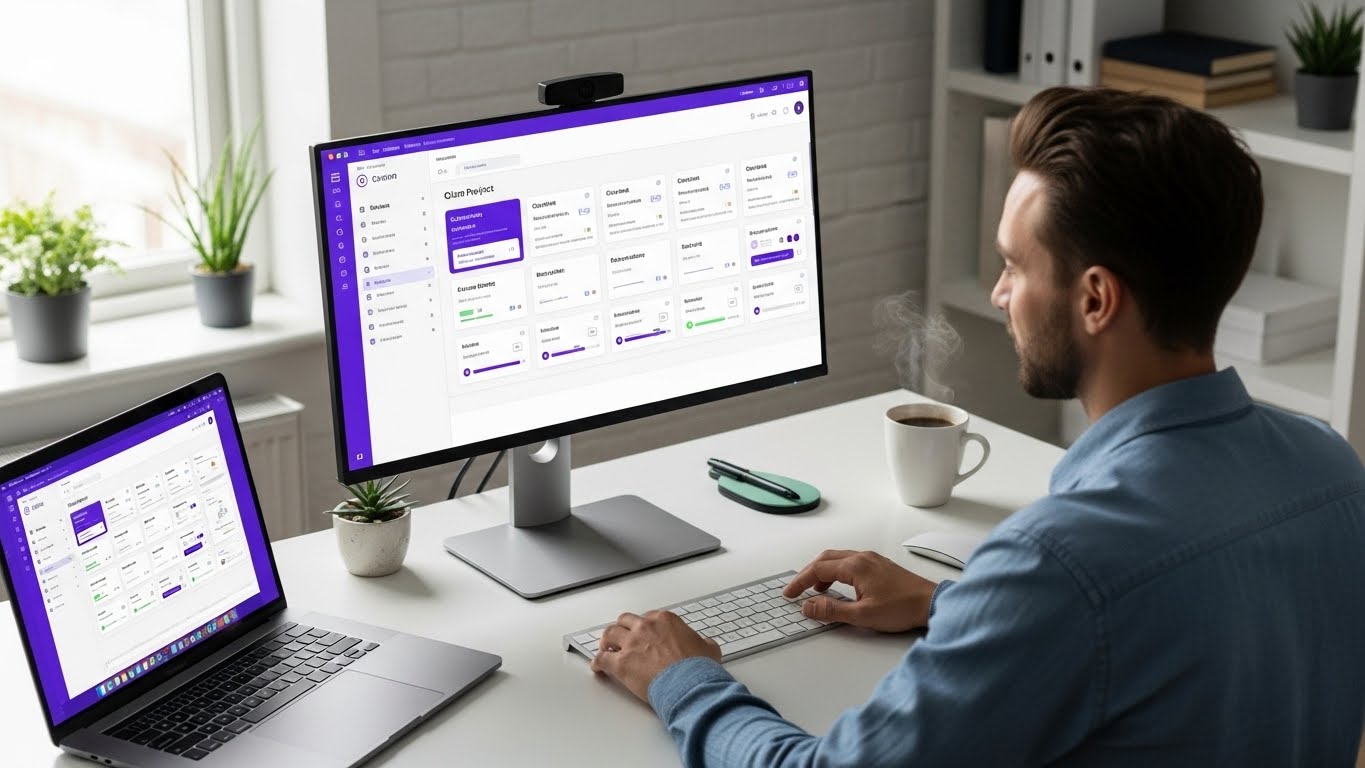
Project Management Tools: Tools like Protawk give you structure for projects, tasks, and timelines. Multiple views (Kanban, Gantt, Calendar) help you see work from different angles. Good for founders who need more than a simple list.
Task List Apps: Simpler tools like Todoist or Things focus on task management without project complexity. Good for founders whose work is task-oriented rather than project-oriented.
Note-Taking Apps: Tools like Notion or Obsidian combine notes and tasks. Good for founders whose thinking is document-heavy.
Paper Systems: Physical notebooks and planners work for some. No notifications, no learning curve. Good for founders who think better on paper.
The Single Source of Truth
Whatever you choose, commit to ONE primary system. Having tasks in three places is worse than having them in zero places-at least with zero, you know you don't have a system.
Your single source of truth is where:
- All tasks live
- All commitments are tracked
- All project status is visible
- All deadlines are recorded
Everything else (email, Slack, meetings) feeds INTO this system. Nothing operates outside it.
Managing Without a Team
Self-Assignment Is Obvious
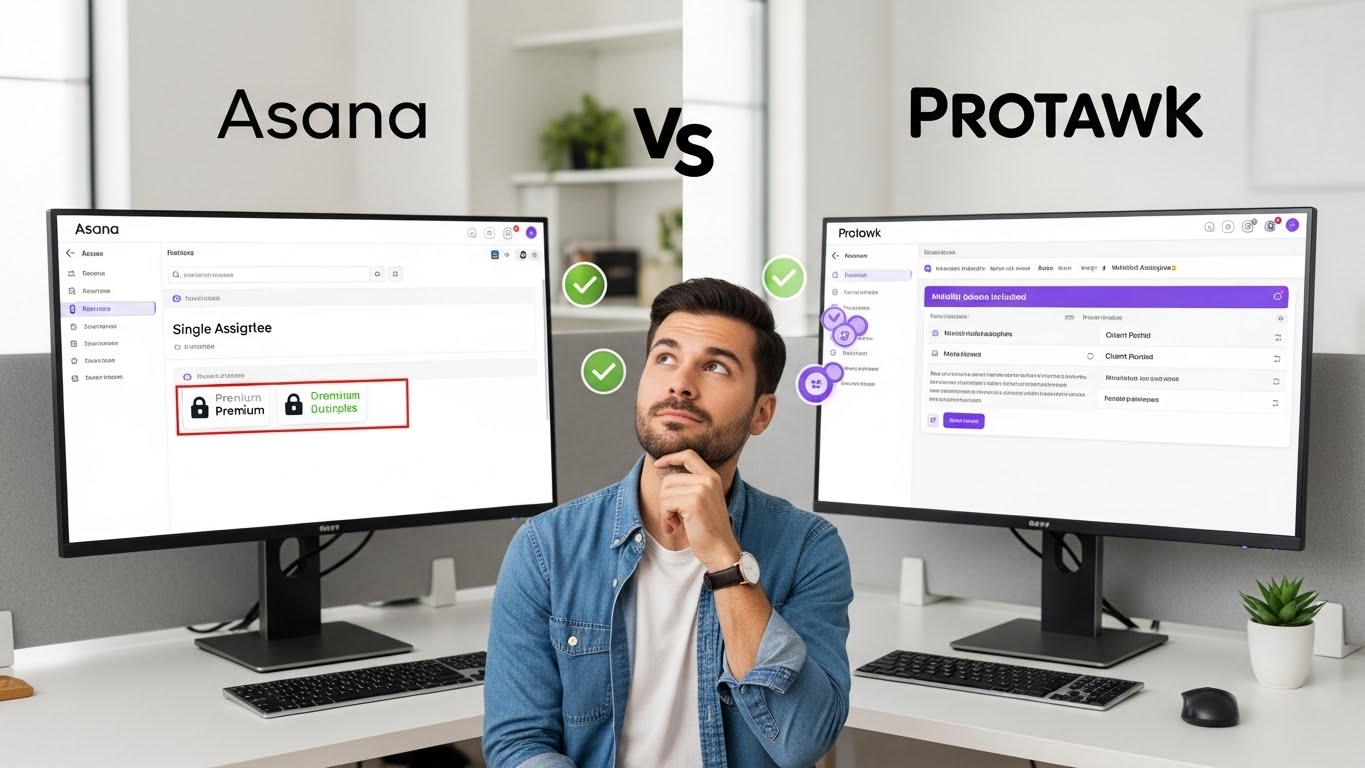
In team tools, you'd assign tasks to people. As a solo founder, every task is assigned to you by default. This should simplify, not complicate, your system.
Look for tools where assignment is optional, not required. Forcing yourself to "assign to self" on every task is wasteful ceremony.
Milestones Replace Deadlines
Team projects use deadlines to coordinate handoffs. Solo projects don't need that coordination-you know what depends on what because you're doing it all.
Instead of artificial deadlines, use milestones:
- "Website goes live" (target: end of month)
- "Launch MVP to beta users" (target: Q2)
- "Close seed round" (target: July)
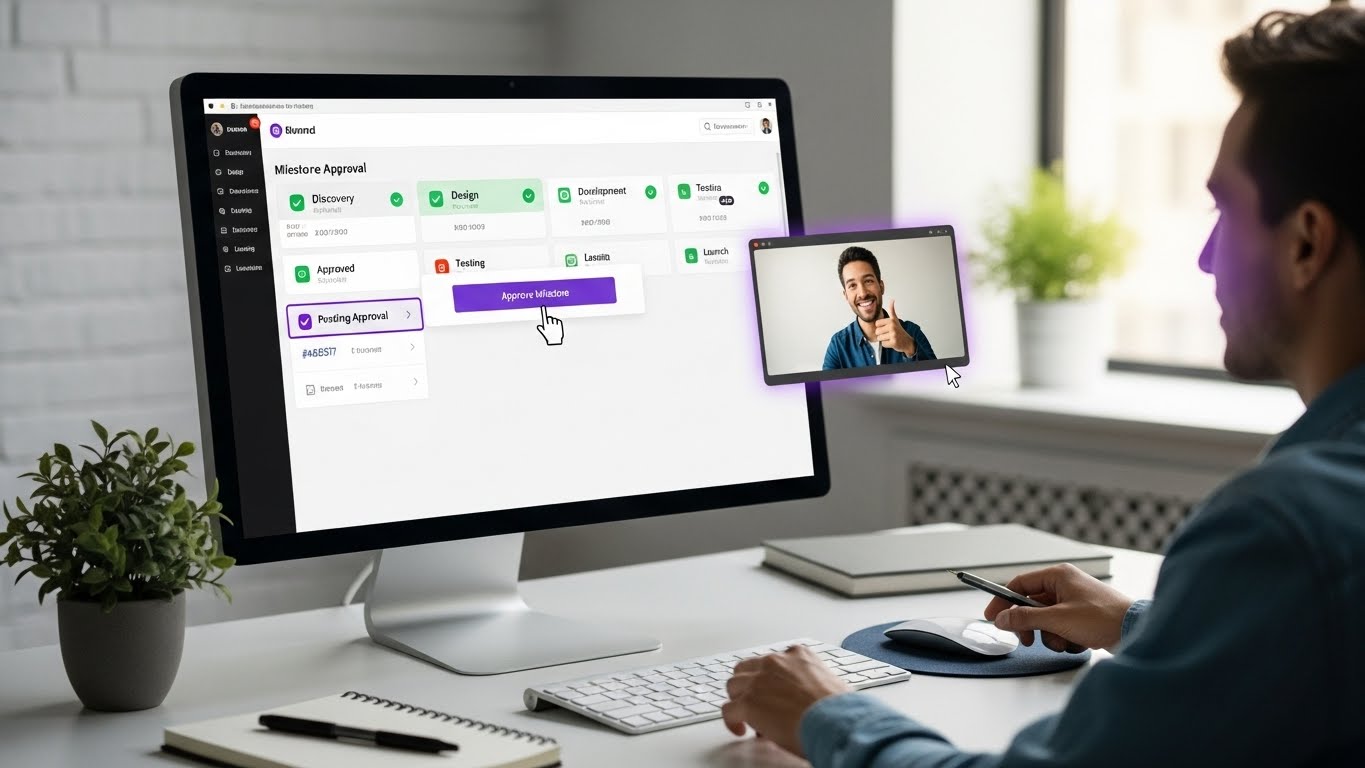
Milestones give you targets without the stress of daily deadlines you'll inevitably miss and reschedule.
Progress Tracking
Without a team to update, project status can drift. Make progress tracking automatic:
- Use completion counts (15/30 tasks complete)
- Review project health weekly
- Track milestone completion dates
Visible progress is motivating. When you see 80% completion, you push for the finish. When progress is invisible, projects languish.
Time Management for Solo Founders
Time Blocking
Protect deep work time aggressively. Block 2-4 hour chunks for focused work. During these blocks:
- No email
- No Slack/messages
- No meetings
- Phone on silent
Context switching is your enemy. Deep blocks are where real progress happens.
Batch Similar Work
Group similar tasks together:
- All email in two daily batches
- All customer calls on Tuesday/Thursday
- All content writing on Monday mornings
- All admin on Friday afternoons
Batching reduces context switching and leverages the mental state you're already in.
Protect Thinking Time
Building a company requires strategic thinking, not just execution. Schedule time for:
- Product strategy
- Customer research
- Competitive analysis
- Business model refinement
If strategic work only happens when crises pause, it won't happen enough.
Say No More Often
Solo founders can't do everything. Every "yes" to one thing is a "no" to something else. Be intentional:
- Does this move the company forward significantly?
- Is this the highest-value use of my time?
- Could this wait until after a key milestone?
No is a complete sentence. Protect your limited time.
Staying Motivated Alone
Celebrate Small Wins
There's no team to high-five. Create your own celebration rituals:
- Weekly win review (write down 3 wins)
- Milestone celebrations (treat yourself when hitting targets)
- Progress visualization (charts, completion percentages)
Recognition matters. Give it to yourself.
Connect with Others
Solo doesn't mean isolated. Build community:
- Join founder communities (online or local)
- Find an accountability partner
- Share progress publicly (Twitter, blog)
- Attend startup events
Other founders understand the journey. Connect with them.
Manage Energy, Not Just Time
Working alone means you set your own schedule. Use this power wisely:
- Do hard work when you have energy
- Do routine work when energy dips
- Take breaks before you need them
- Rest is not laziness
Sustainable pace beats burnout every time.
Common Solo Founder Mistakes
Mistake 1: Over-Engineering Systems
You don't need complex workflows, automation, and integrations. You need to capture tasks and complete them. Start simple. Add complexity only when simple isn't working.
Mistake 2: Planning Without Doing
Planning is comfortable. Execution is hard. If you're spending more time organizing than executing, you're hiding from the real work.
Rule of Thumb: Planning should take 5-10% of your time. Execution takes the rest.
Mistake 3: Ignoring the System When Busy
When crises hit, systems get abandoned. This is exactly wrong-crises are when systems matter most. Build habits strong enough to survive stress.
Mistake 4: No Buffer Time
Every task takes longer than expected. Every project hits unexpected issues. Build buffer into plans:
- Day buffer between dependencies
- Week buffer for major milestones
- Time buffer in daily schedules
Buffer isn't slack-it's realism.
Mistake 5: Not Reviewing Progress
Without reviews, you work without learning. Weekly reviews reveal patterns:
- What types of tasks always take longer?
- What regularly gets pushed?
- Where does time actually go?
Reviews create data for improvement.
When You're Ready to Scale
At some point, success means adding people. Your systems need to scale with you.
Signs You Need Help
- Critical tasks consistently don't get done
- Opportunities are passing because you can't execute
- Quality is slipping from overwork
- You're burning out
Adding help is a sign of success, not failure.
Scaling Your System
When adding your first team members:
- Your personal system becomes the team system
- Add collaboration features (comments, assignments)
- Create shared views for coordination
- Maintain your personal views for focus
Tools that work solo AND with teams save painful migrations later.
Protecting Your Productivity
As team grows, protect what made you effective:
- Keep deep work blocks
- Maintain weekly reviews
- Stay connected to execution
- Don't become a manager who only manages
The skills that built the company remain valuable as it grows.
A Practical Setup with Protawk
Here's how to implement everything above using Protawk:
Initial Setup (30 minutes)
-
Create Workspace: Your startup name
-
Create Core Projects:
- Inbox (capture everything here)
- Product
- Marketing
- Sales
- Operations
-
Set Up Views:
- Kanban for daily task management
- Table for inbox processing
- Calendar for deadline visibility
- Gantt for milestone planning
Daily Workflow
Morning:
- Open Kanban view
- Review "Today" column
- Pick 3 priorities
- Start working
As Ideas Hit:
- Quick add to Inbox project
- Don't categorize-just capture
- Continue working
Evening:
- Move completed to Done
- Note tomorrow's priorities
- Check calendar for commitments
Weekly Review
- Process Inbox: Move items to appropriate projects or delete
- Review Each Project: Update status, identify stuck items
- Check Calendar View: See upcoming deadlines
- Plan Next Week: Set priorities for each day
- Review Gantt: Are milestones on track?
Advanced Features
As your needs grow:
- Milestones for major deliverables
- Custom fields for tracking specific data
Start simple. Add complexity as needed.
Start Organizing Today
Solo founding is hard enough without fighting your tools. The right system frees mental energy for what matters-building your company.
Start with capture. Add structure gradually. Review weekly. Adjust what isn't working.
Protawk gives you the flexibility to work alone efficiently and scale when you're ready. No team features in your way. All the views you need for different contexts. Simple enough to use daily, powerful enough to grow with you.
Build your solo founder system today. Your future self-and future team-will thank you.
Because building a company alone is hard enough without fighting your tools.